
Sci-fi Typography
Visual design - Branding - Product Design
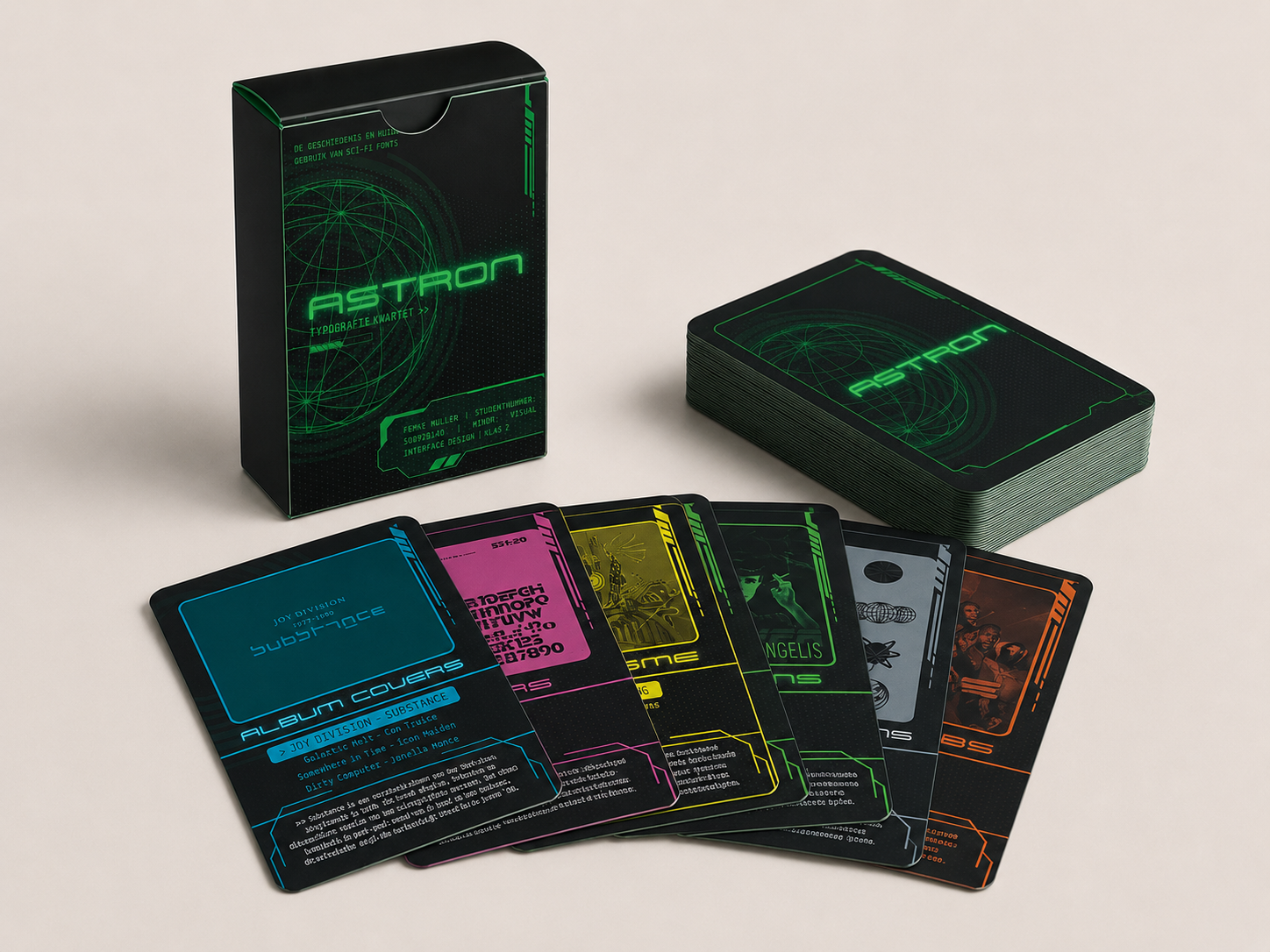
This typography project explores the history and contemporary use of sci-fi typography through in-depth research.
Using these insights, I designed a card game inspired by the traditional quartet format. The game offers an interactive way to learn about sci-fi typefaces such as Astron, with categories that highlight their history, origins, and use in media.
Reseaching The Origins: Back to the Futrur(istic)
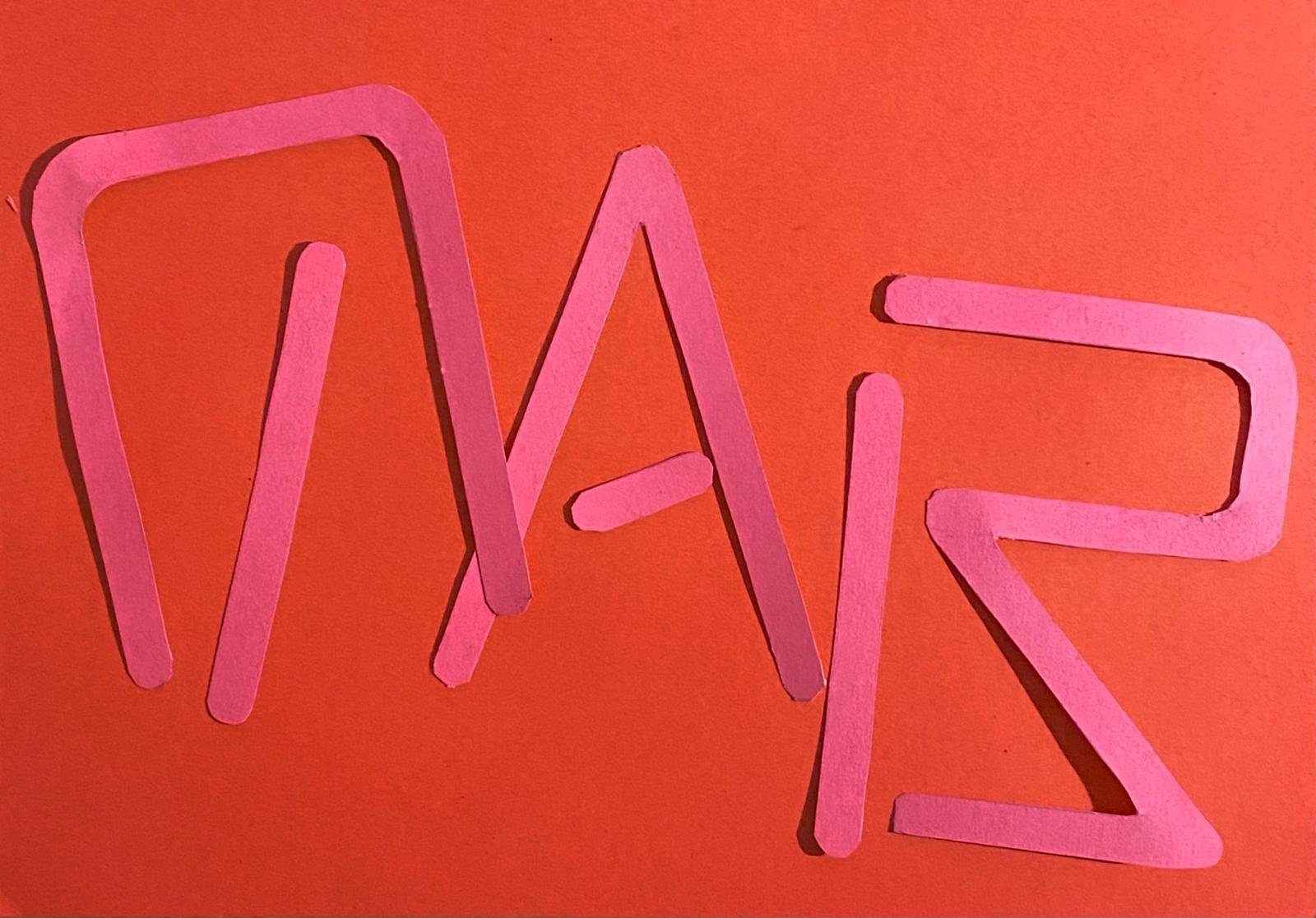
The History & Usage
My research explored the origins and development of sci-fi typography. After World War II, Italian futurist-inspired design focused on technology, speed, and progress, influencing the creation of geometric typefaces.
During the 1950s and 1960s, retro-futurism and the rise of science fiction films popularized fonts such as Eurostile and Microgramma, designed by Aldo Novarese. These typefaces became iconic through their use in films and TV series.
I also researched modern sci-fi fonts like Orbitron and Astron, which draw inspiration from digital technology, video games, and space-age aesthetics, showing how the genre continues to evolve today.
Making The Deck
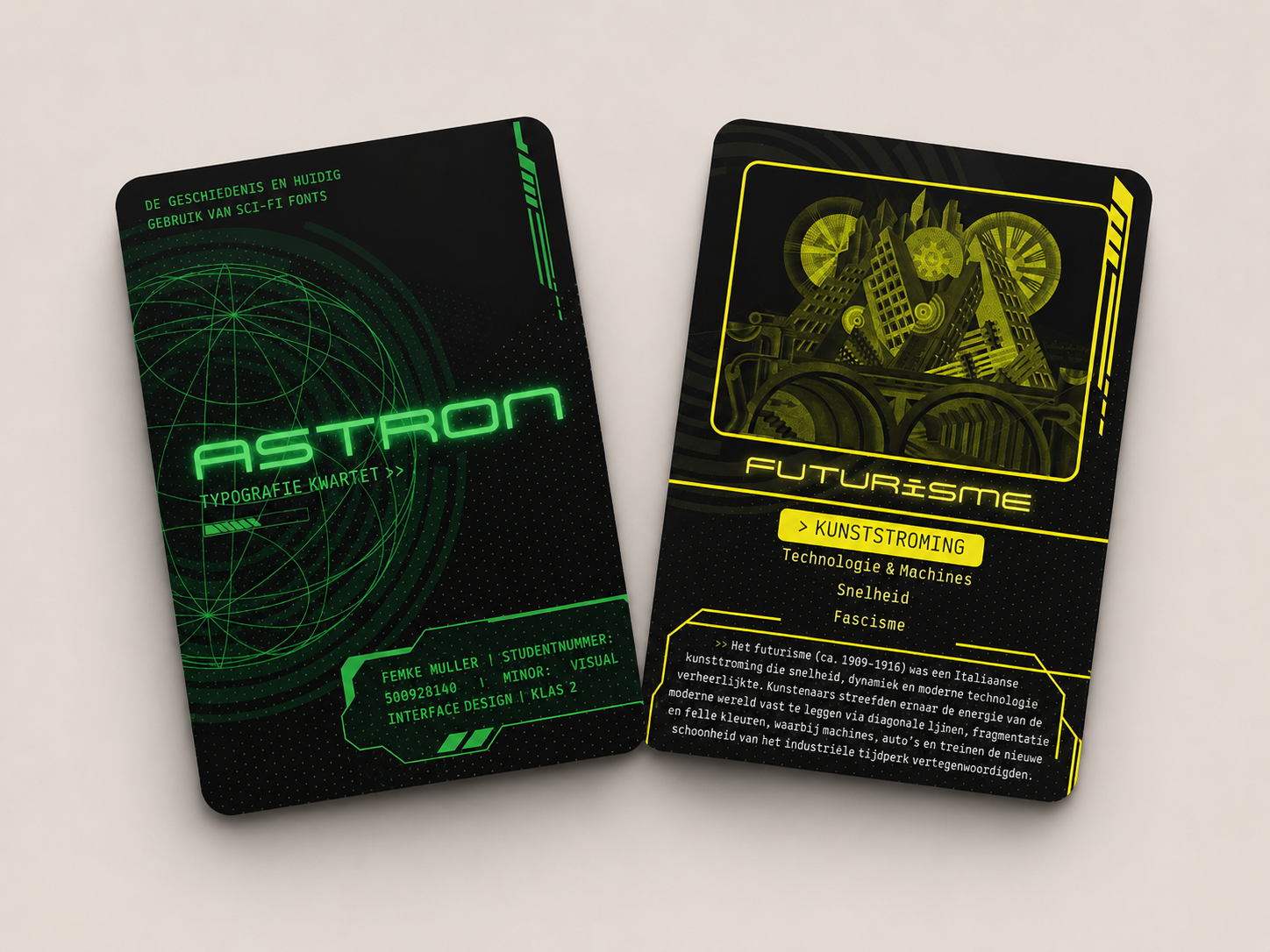
Whats On The Cards?
The cards are divided into 8 different categories. Each category contains 4 cards, with each card representing a different example related to that theme. Players must collect all four cards from the same category to complete a set.
The themes include designers of sci-fi fonts, examples of how sci-fi typography is used, notable sci-fi fonts, and art movements that have influenced the development of sci-fi typefaces. This structure makes the game both educational and engaging, helping players learn about the history, influences, and applications of sci-fi typography while playing.
How Where They Made?
The design of the cards was based on colors commonly associated with technology, coding, and science fiction, such as neon tones, green, and black. These colors help create a futuristic and digital aesthetic.
I printed the designs on sticker paper and applied them to Pokémon cards to make the cards more durable and sturdy. I also designed and constructed the deck box myself using paper, creating a complete and cohesive final product.